FraserPlus Epoxy provides an extensive array of superior epoxy flooring services customized to fulfill your epoxy requirements. We can help you whether you want to improve the beauty of your home or are looking for long-lasting flooring options for commercial spaces. Our team of knowledgeable experts is committed to providing top-notch outcomes by using cutting-edge methods and premium supplies. We are dedicated to going above and beyond your expectations and making sure you are completely satisfied, whether it be with decorative epoxy finishes or epoxy floor coatings. Today, take advantage of FraserPlus Epoxy’s epoxy flooring services for perfection.
At Fraser Plus Epoxy, we provide high-quality epoxy flooring services that transform any space—whether it’s a commercial garage, industrial warehouse, or your own home’s basement—into a clean, durable, and professional environment. Our team specializes in epoxy flooring solutions that are built to withstand the daily wear and tear of heavy foot traffic, machinery, spills, and more, while still offering a sleek, polished look.
At Fraser Plus Epoxy, we offer a variety of epoxy flooring services designed to meet your specific needs. Whether you’re updating your home’s garage floor, renovating a commercial facility, or looking for a durable solution in a manufacturing environment, we’ve got you covered. Here are the key services we provide:
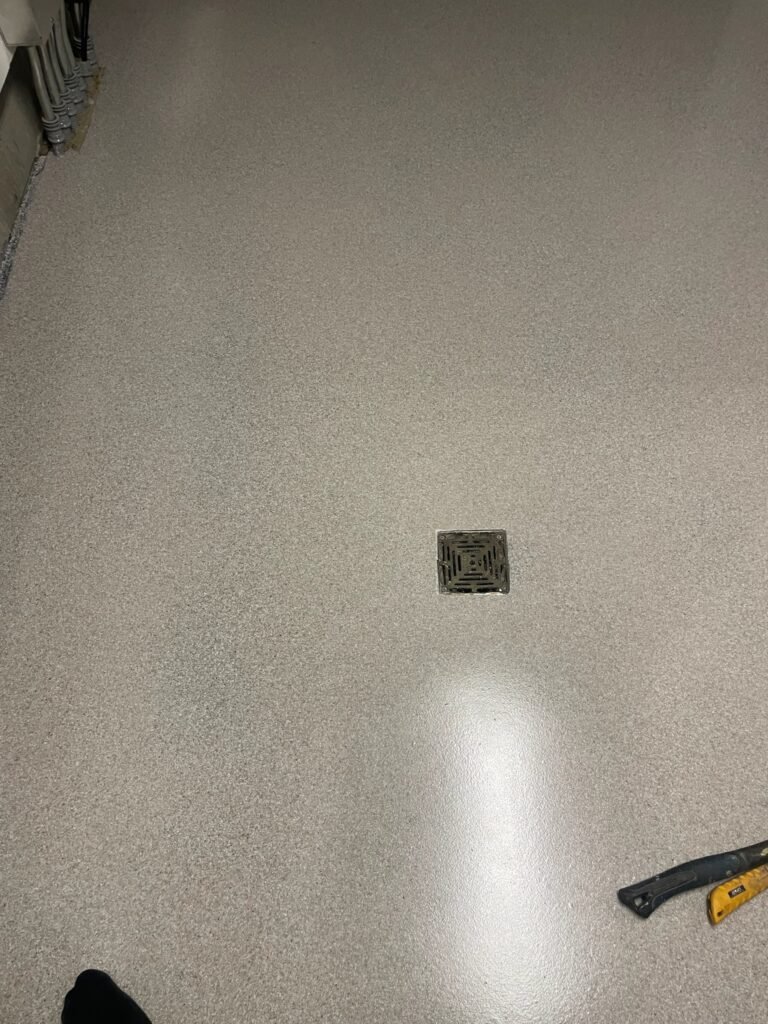
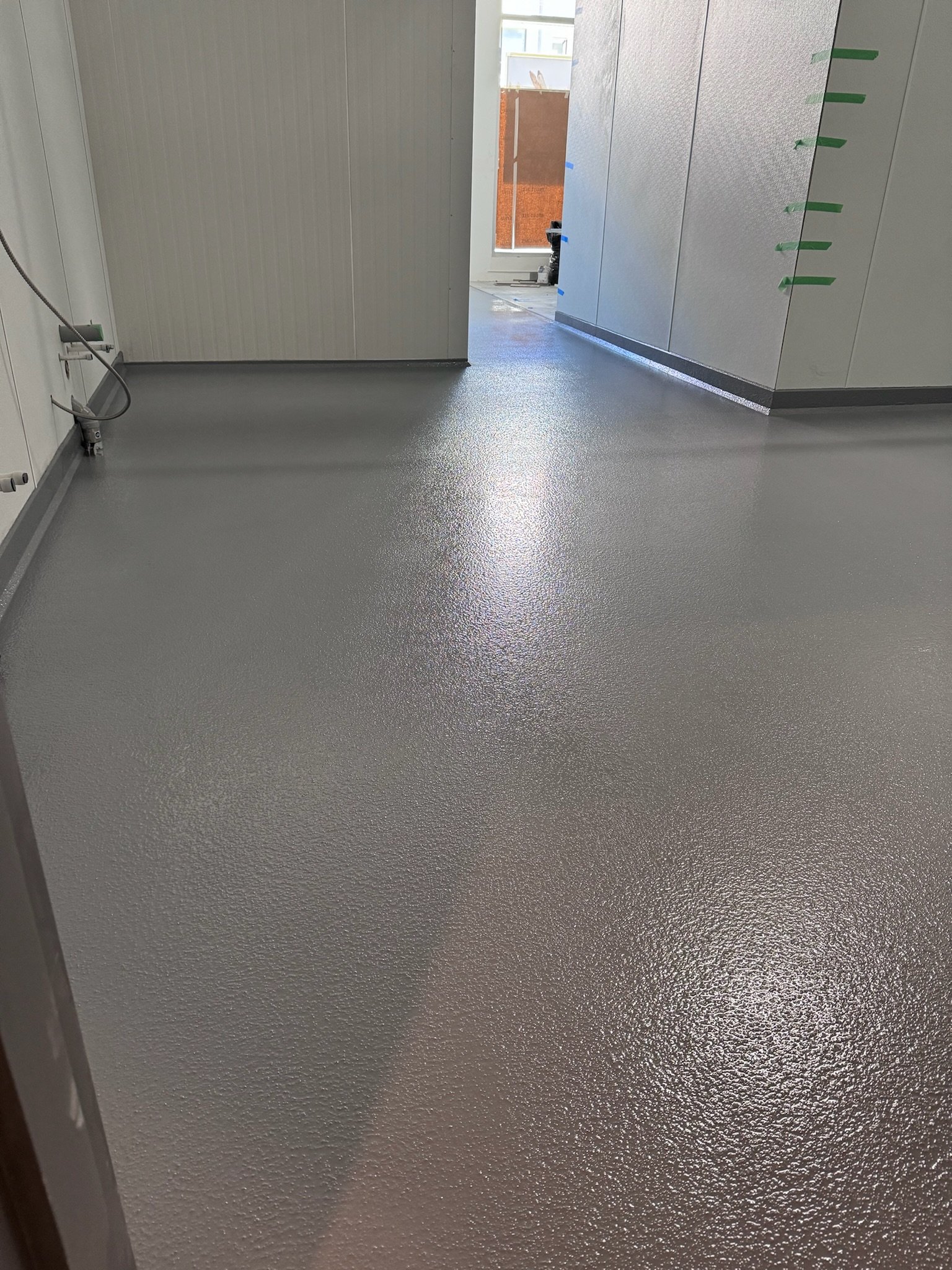
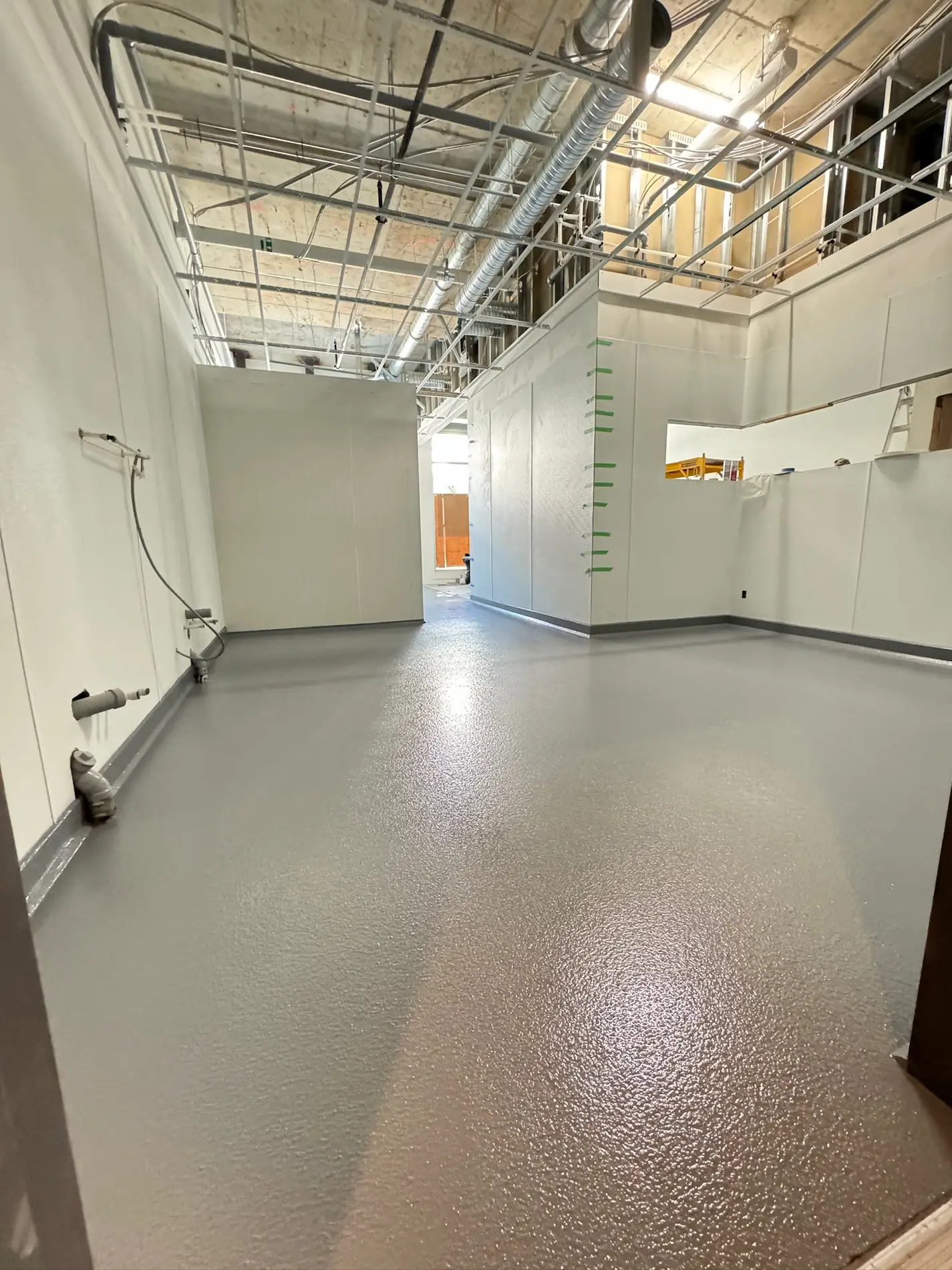
If you run a business, the appearance of your floors speaks volumes to your customers and employees. Our commercial epoxy flooring services are designed to enhance both the functionality and aesthetic of your commercial space.
From retail stores to restaurants and offices, epoxy flooring provides a professional, easy-to-clean solution that’s built to last.
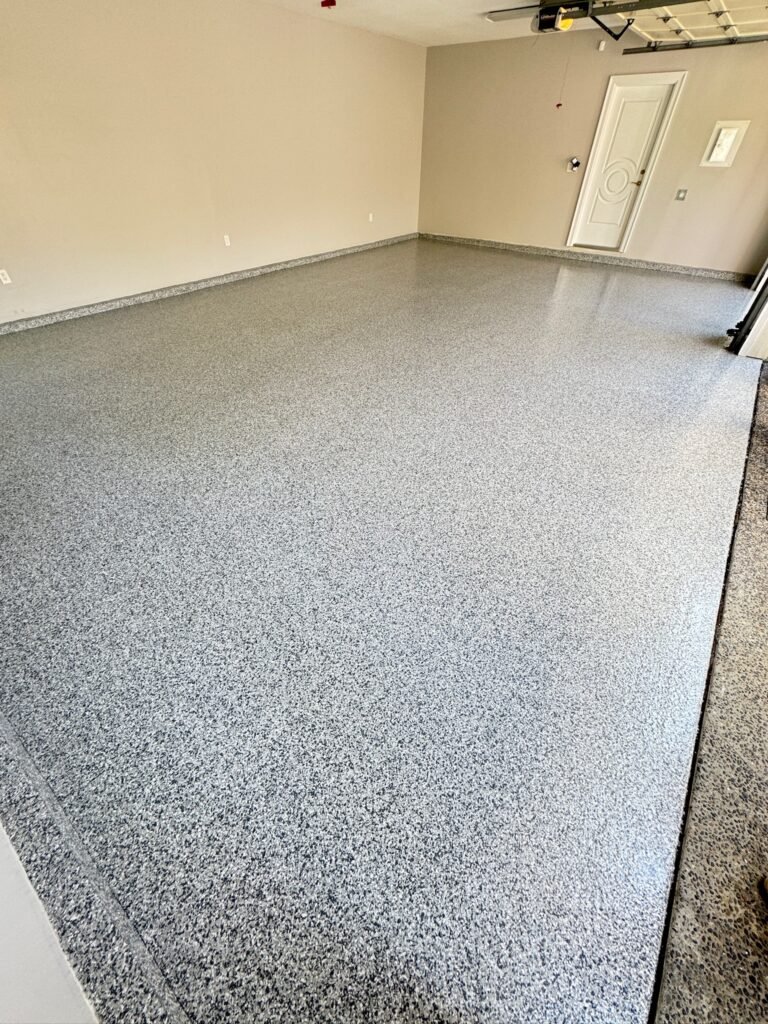
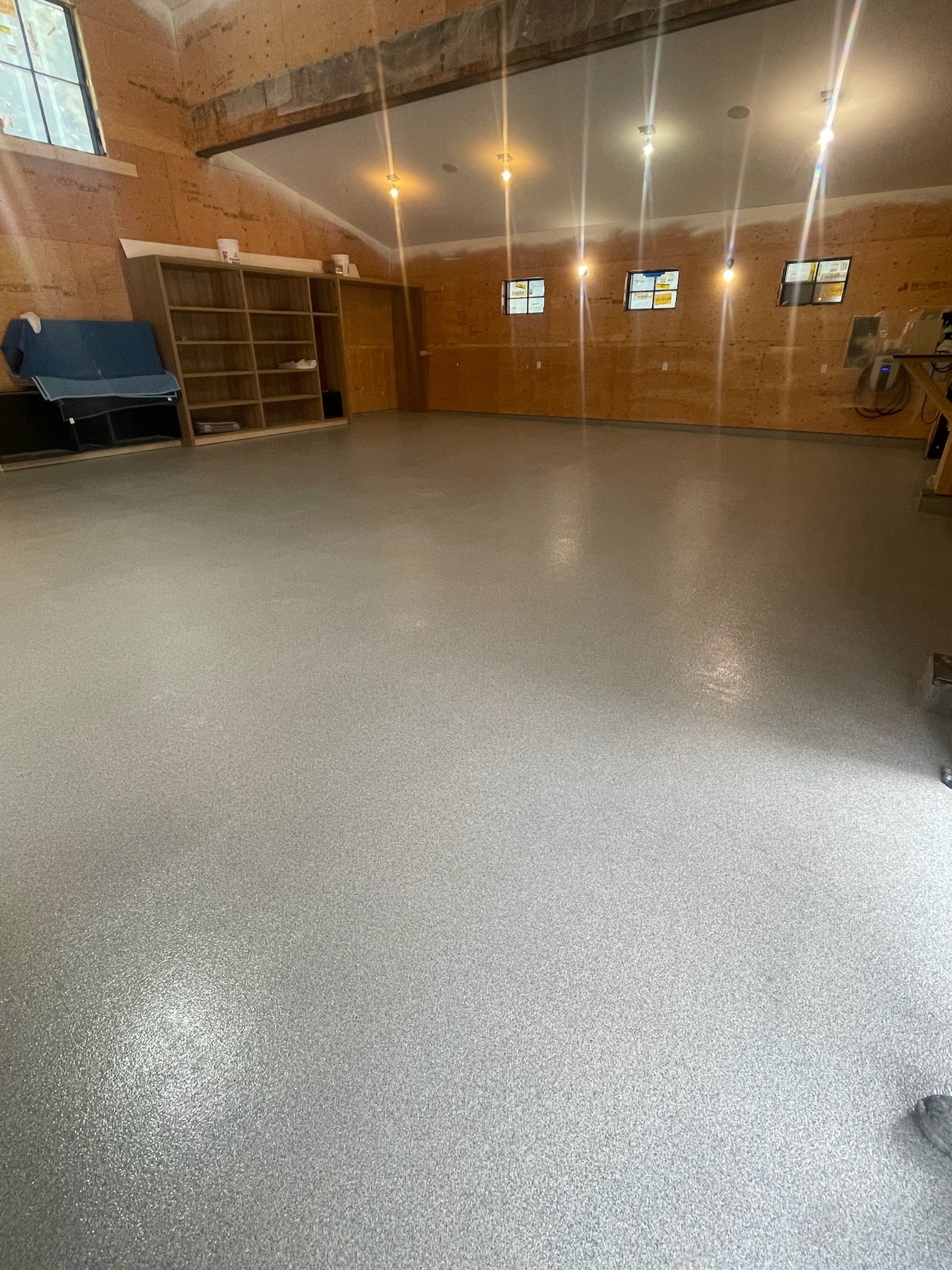
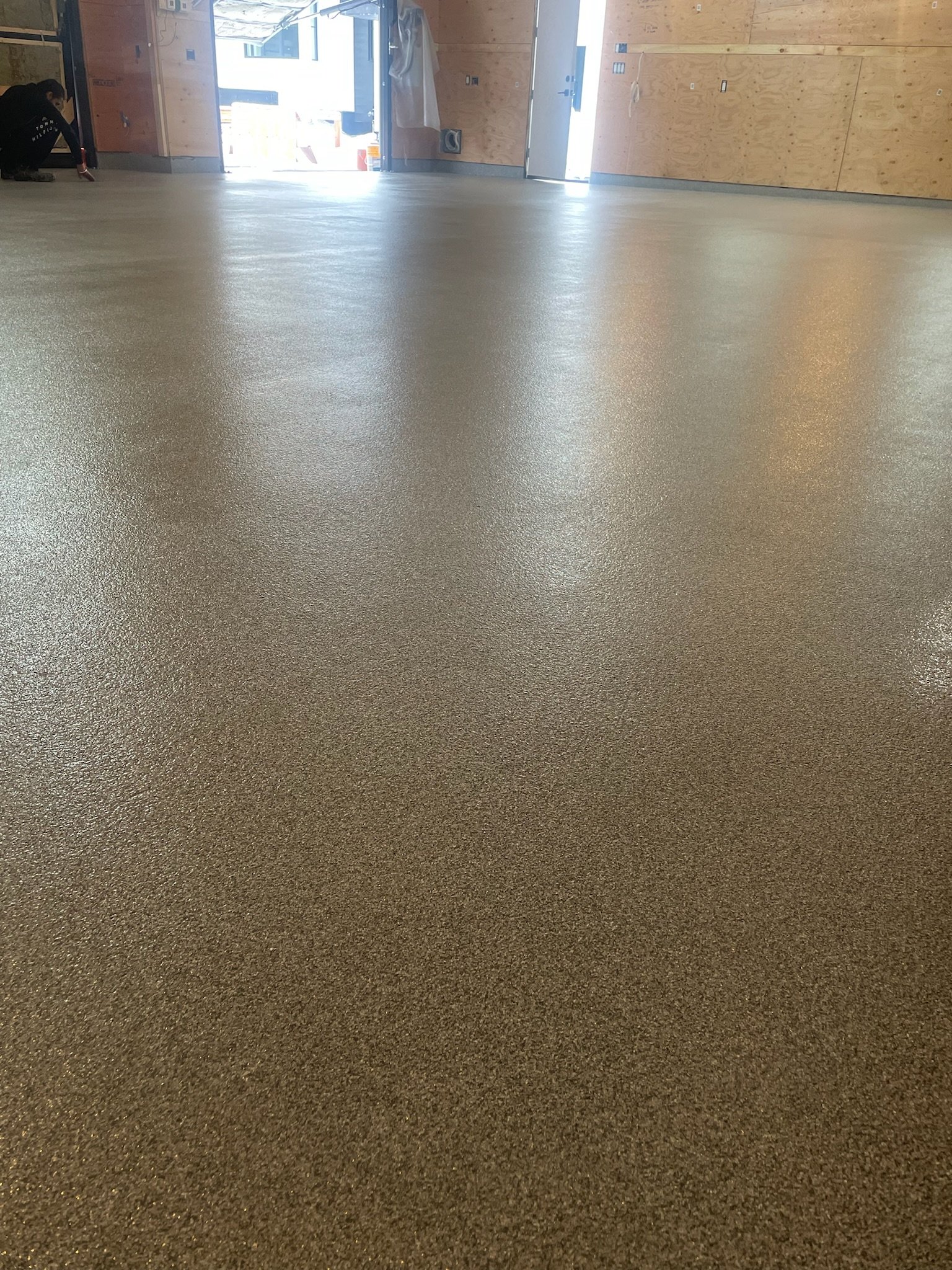
Your garage floor sees a lot—vehicles, tools, and spills—but that doesn’t mean it has to look worn out.
Our garage epoxy flooring services create a protective barrier that stands up to oil, chemicals, and daily use. Plus, with our customizable color and texture options, your garage can have a showroom-quality look.
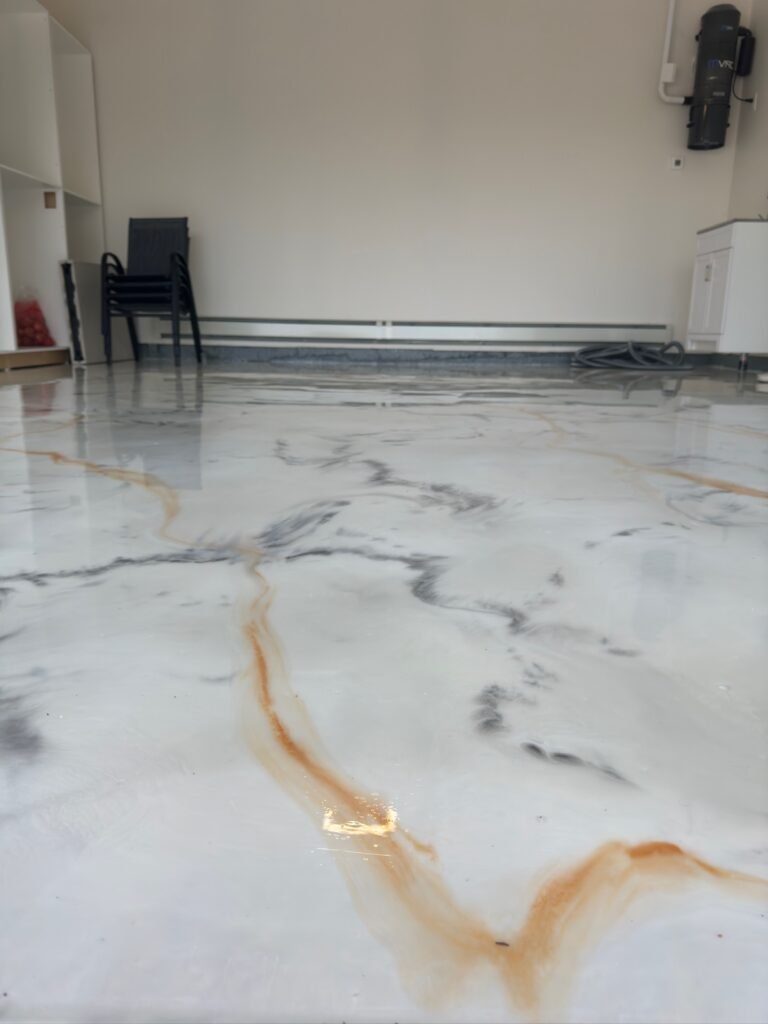
Want a sleek, modern look or a customized design that mimics marble or lava flows, our metallic epoxy flooring service offers durability, easy maintenance, and a show-stopping aesthetic that lasts.
Ideal for both residential and commercial spaces, metallic epoxy flooring is perfect for those looking to make a statement with their floors. Transform your space with the stunning, high-gloss finish of metallic epoxy flooring.
Epoxy flooring is more than just a visually appealing surface; it’s one of the toughest and longest-lasting floor coatings available today. Here’s why so many businesses and homeowners are choosing epoxy flooring services over traditional flooring options:
At Fraser Plus Epoxy, we pride ourselves on delivering the best epoxy flooring services in the industry. We understand that flooring is an investment, and our goal is to provide solutions that enhance your space and give you peace of mind for years to come.
Here’s why customers trust us:
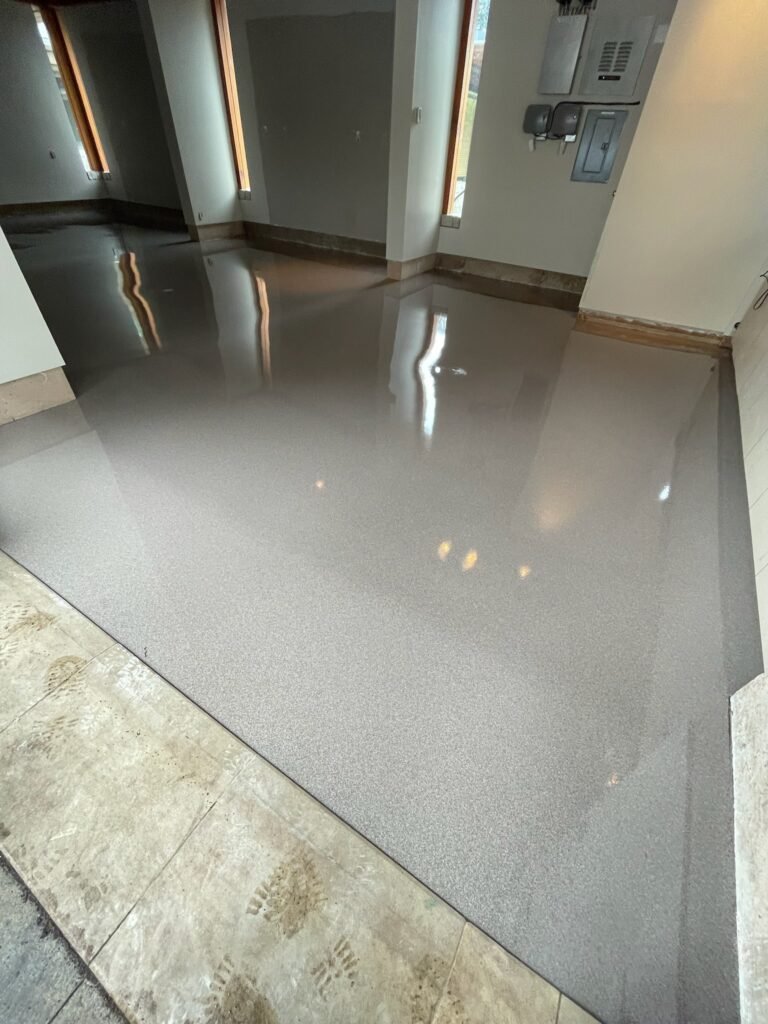
When it comes to epoxy flooring services, you need a company that’s experienced, reliable, and dedicated to providing high-quality results. Fraser Plus Epoxy is all that and more. We’re passionate about delivering flooring solutions that stand the test of time, all while improving the look and functionality of your space.
From start to finish, we’re here to guide you through the process, answer any questions, and ensure that the installation goes smoothly. With us, you’re not just getting a new floor—you’re getting peace of mind knowing that your flooring will perform well for years to come.
Ready to upgrade your floors with durable and beautiful epoxy flooring services? Contact Fraser Plus Epoxy today for a free consultation. We’ll walk you through your options, help you choose the right design for your space, and provide a detailed quote so you can make an informed decision.
Don’t let flooring problems hold you back any longer—let us help you transform your space with epoxy floors that are as tough as they are beautiful.
Reach out today to learn more about how we can help with your flooring needs.
This isn’t just a marketing ploy. Let the honest reviews of our highly satisfied customers tell you our story.
EXCELLENTTrustindex verifies that the original source of the review is Google. We really enjoy working with Sunny. He was patient with the client and made sure that we have a clear idea idea of the job before proceeding. Job well done!Posted onTrustindex verifies that the original source of the review is Google. They did a great job and the my garage floor looks amazing. Would definitely recommend.Posted onTrustindex verifies that the original source of the review is Google. I am very pleased with the work they did for Empire Abbotsford Recycled Auto & Truck Parts. We put down an epoxy flooring, and it looks absolutely amazing. The price is unbeatable, and it did not take them long to do, plus great warranty! Highly recommend and would definitely use them again!Posted onTrustindex verifies that the original source of the review is Google. Fraser Plus Epoxy did a great job epoxy coating my garage floor. The results were beyond my expectations. They are very detail oriented and I just couldn't find any bad spots anywhere on the floor. What pushed the job beyond my expectation were their accurate estimations and clear explanation of the process. Sunny was always on time and finished the job before ETA. I would highly recommend their services if anyone is looking for any kind of epoxy coating for their floors.Posted onTrustindex verifies that the original source of the review is Google. Amazing work by Sunny and great outcome and well priced.I got my brand new garage epoxy floor done.He was on time and completed on schedule. Quality of work was very nice.I will recommend him for this kind of workPosted onTrustindex verifies that the original source of the review is Google. Great, on time, good work!Posted onTrustindex verifies that the original source of the review is Google. Excellent customer dealingPosted onTrustindex verifies that the original source of the review is Google. Highly recommend Fraser plus epoxy for all your epoxy needs. Very good to deal with and very competitive prices. We will be using them on all future projects.
Epoxy can be used for literally almost any purpose. From garage floors to large warehouses, and even used to create decorative and elegant countertops. It provides a pleasing, reliable, and resilient surface that can handle whatever you throw at it.
Our epoxy flooring Vancouver experts are experienced in all types of commercial and residential epoxy applications and are always ready to share their thoughts on your next project.
Why wait? Contact us at 778-952-0221, and let’s talk today!
Yes. Using specialized epoxy on the garage floor is highly recommended to make your floors more appealing and long-lasting. Also, investing in it can save you money over time as it requires little to no repairs at all.
The cost of epoxy floor coating service varies depending on the design, materials used, and project size. You can always contact us so our epoxy contractors can provide an on-site, no-obligation estimate.
An epoxy resin garage floor can last between 8 and 20 years. They can last much longer than a painted concrete floor.