

The Science of Success: Why Radiant Heating and Epoxy Make Perfect Partners
The marriage of radiant heating and epoxy flooring represents an engineering triumph that maximizes both comfort and durability when executed properly. Unlike traditional forced-air heating that circulates dust and creates temperature variations, radiant systems provide gentle, even warmth that rises naturally through your floors. When combined with epoxy’s dense, seamless surface, this creates an incredibly efficient heat distribution system that transforms your entire living space.
Epoxy’s thermal properties make it ideal for radiant applications. The material’s excellent thermal conductivity allows heat from hydronic systems to transfer efficiently to the room while protecting the heating infrastructure below. Unlike carpet or thick flooring materials that insulate and block heat transfer, epoxy’s thin profile and consistent density create minimal thermal resistance. This means your radiant system operates more efficiently, using less energy to maintain comfortable temperatures throughout Vancouver’s long heating season.
The durability benefits compound over time. Radiant heating eliminates the thermal cycling and temperature extremes that can stress flooring materials. Without hot air vents creating localized heating or the constant expansion and contraction caused by forced-air systems, epoxy floors over radiant heating experience remarkably stable conditions. This stability translates into longer floor life, reduced maintenance needs, and consistent appearance that maintains its showroom quality for decades.
Vancouver’s climate creates additional advantages for this combination. Our moderate temperatures mean radiant systems rarely need to operate at maximum capacity, reducing stress on both the heating infrastructure and the epoxy coating. The consistent humidity levels throughout most of the year also prevent the moisture fluctuations that can compromise floor coatings in more extreme climates. For Vancouver homeowners, this means radiant-heated epoxy floors offer both immediate comfort and exceptional long-term value.
The Critical Protocol: Temperature Management During Installation
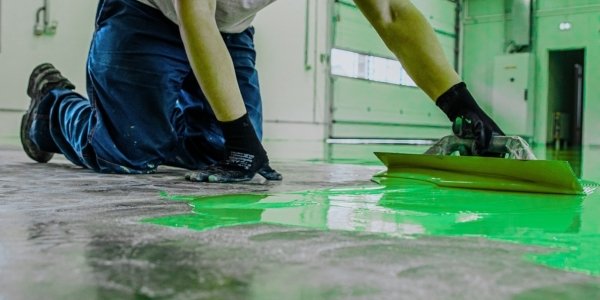
The difference between a successful radiant-heated epoxy installation and a costly failure lies entirely in following precise temperature protocols during the installation and curing process. These aren’t suggestions—they’re engineering requirements based on the chemical behavior of epoxy resins and the thermal properties of radiant systems. Violating these protocols almost always results in coating failure, heating system damage, or both.
The pre-installation phase requires turning off your radiant system for a minimum of 4 days before any epoxy work begins. This cooling period ensures the substrate reaches ambient temperature throughout its entire thickness—not just at the surface. Concrete slabs and subflooring materials have thermal mass that retains heat long after systems shut down. Installing epoxy over warm substrates causes uneven curing, poor adhesion, and often results in the coating lifting or cracking within months of installation.
Professional contractors use thermal imaging to verify substrate temperatures before beginning work. Surface temperature guns can be misleading because they only measure the very top layer, while thermal cameras reveal hot spots that indicate retained heat deeper in the slab. Fraser Plus Epoxy technicians won’t begin installation until thermal imaging confirms uniform ambient temperatures across the entire floor area. This attention to detail prevents the bubbling, fisheyes, and adhesion failures that plague installations where trapped heat interferes with proper chemical curing.
The curing period requires even more patience—a minimum of 7 days with the heating system completely off after the final epoxy coat application. During this time, the epoxy undergoes complex chemical reactions that create its final strength, hardness, and thermal properties. Introducing heat during this vulnerable period can cause incomplete curing, surface defects, or internal stresses that lead to premature failure. The investment in proper curing time pays dividends in floor performance and longevity that far exceed the inconvenience of temporary heating alternatives.
The restart protocol demands gradual temperature increases of no more than 5°C (9°F) per day until reaching normal operating temperatures. This slow warming allows the fully-cured epoxy to gradually expand with the heating system, preventing thermal shock that can crack or delaminate the coating. Professional installations include detailed restart instructions and often offer monitoring services during this critical period to ensure optimal results.
Vancouver’s Unique Advantages: Climate, Technology, and Local Expertise
Vancouver homeowners enjoy several distinct advantages when combining radiant heating with epoxy flooring, making this combination particularly attractive in our regional context. Our mild climate means radiant systems operate in their optimal efficiency range throughout most of the heating season, rarely pushing temperatures or thermal cycling to extremes that stress flooring materials.
The latest hydronic system technology available in Vancouver offers precise temperature control and zoning capabilities that maximize both comfort and epoxy floor performance. Modern systems include outdoor reset controls that automatically adjust water temperatures based on exterior conditions, preventing overheating that could damage floor coatings. Smart thermostats and zone controls allow homeowners to maintain ideal temperatures in different areas while avoiding the hot spots that can compromise epoxy integrity.
Local building codes and standards work in favor of this combination. Vancouver’s energy efficiency requirements encourage radiant heating systems, and recent updates to residential building codes specifically address compatibility between heating systems and modern flooring materials. These regulatory improvements have standardized installation practices and made financing and insurance approvals more straightforward for homeowners choosing radiant-heated epoxy floors.
Fraser Plus Epoxy’s local expertise provides unmatched advantages for Vancouver installations. Our technicians understand the specific challenges of Vancouver’s soil conditions, foundation types, and seasonal variations that affect both radiant system performance and epoxy installation success. We maintain relationships with the region’s leading hydronic heating contractors, ensuring coordinated installations that optimize both systems from the planning stage through final commissioning.
The seasonal installation advantages in Vancouver create optimal timing windows for these complex projects. Our relatively dry summers provide ideal conditions for epoxy curing, while mild spring and fall temperatures allow for comfortable completion of installation work. Winter projects can be successfully completed with temporary heating solutions, but planning for spring or summer installation often results in superior outcomes and reduced project stress for homeowners.
Design Possibilities: Maximizing Aesthetics with Thermal Performance
Radiant-heated epoxy floors open up design possibilities that simply aren’t available with traditional heating and flooring combinations. The elimination of floor vents, baseboard heaters, and radiators creates uninterrupted floor space that showcases epoxy’s seamless beauty while maximizing room layouts and furniture placement options.
Decorative epoxy systems perform exceptionally well over radiant heating because the stable, even temperatures prevent the thermal stress that can crack or distort decorative elements. Metallic finishes maintain their lustrous appearance, embedded designs stay perfectly positioned, and color systems resist the fading or discoloration that can occur with rapid temperature changes. This stability allows Vancouver homeowners to choose bold, sophisticated floor designs with confidence that their investment will maintain its stunning appearance for decades.
Thermal comfort zones can be precisely coordinated with decorative floor patterns. Working with experienced contractors, homeowners can design heating zones that correspond to room functions while using epoxy colors and patterns to visually delineate these areas. Kitchen zones might feature warmer temperatures with rich, warm-toned epoxy colors, while living areas use moderate heating with cool-toned decorative patterns. This integration of function and aesthetics creates cohesive design themes that enhance both comfort and visual appeal.
The seamless nature of epoxy eliminates dust and allergen accumulation that plagues traditional flooring with heating systems. Without grout lines, carpet fibers, or wood joints to trap particulates, radiant-heated epoxy floors contribute to significantly improved indoor air quality. This benefit is particularly valuable for Vancouver families with allergies or respiratory sensitivities, as the combination provides warmth without circulating airborne irritants.
Custom design elements can incorporate heating system layouts for both functional and aesthetic benefits. Experienced contractors can use decorative borders, color changes, or pattern elements to discretely mark heating zone boundaries, creating visual interest while serving practical purposes. Some homeowners choose to highlight their radiant system locations with contrasting colors or metallic accents, turning functional infrastructure into design features.
Lighting design becomes more impactful when combined with radiant-heated epoxy floors. The reflective properties of epoxy surfaces amplify both natural and artificial light while the absence of heating equipment on walls and floors provides more flexibility for lighting placement. This combination creates bright, warm, inviting spaces that feel larger and more luxurious than traditionally heated and floored rooms.
Long-Term Performance: Maintenance and Optimization Strategies
The maintenance requirements for radiant-heated epoxy floors are remarkably minimal, but understanding proper care techniques ensures optimal performance and appearance for decades. The combination actually reduces maintenance needs compared to either system operating independently, creating long-term value that justifies the initial investment premium.
Daily cleaning becomes incredibly simple with radiant-heated epoxy floors. The warm surface prevents moisture from condensing and creating slippery conditions, while epoxy’s seamless surface requires only basic cleaning with pH-neutral solutions. The consistent temperature eliminates the thermal cycling that can cause cleaning products to react differently or leave residues, ensuring consistent cleaning results regardless of season or weather conditions.
Annual system maintenance should coordinate both heating and flooring components to maximize efficiency and prevent conflicts between systems. Professional maintenance typically includes checking hydronic system components, testing temperature controls, and inspecting epoxy surfaces for any signs of thermal stress or wear. Fraser Plus Epoxy offers comprehensive maintenance programs that coordinate with heating system professionals to ensure both components continue operating optimally.
Energy optimization becomes possible through smart integration of heating controls with usage patterns and seasonal conditions. Modern radiant systems can learn from temperature sensors embedded near epoxy surfaces, adjusting output to maintain consistent floor temperatures while minimizing energy consumption. Some Vancouver homeowners report 20-30% reductions in heating costs compared to forced-air systems when properly optimized.
Long-term performance monitoring helps identify potential issues before they become expensive problems. Professional contractors recommend annual thermal imaging inspections to verify even heat distribution and identify any developing hot spots that could stress floor coatings. Temperature logging systems can track performance trends and identify optimization opportunities that improve both comfort and efficiency.
Preventive maintenance pays enormous dividends in system longevity and performance. Simple steps like maintaining proper water chemistry in hydronic systems, promptly addressing any surface damage to epoxy coatings, and ensuring proper drainage around exterior elements can prevent major repairs and extend system life well beyond typical expectations. Vancouver homeowners with properly maintained radiant-heated epoxy floors often enjoy 25-30 years of trouble-free operation.
Investment Analysis: Costs, Benefits, and Long-Term Value
The financial picture for radiant-heated epoxy floors becomes compelling when viewed as a long-term investment rather than simply an upfront expense. While the initial cost exceeds traditional flooring and heating combinations, the operational savings, durability benefits, and property value enhancement often justify the premium within 7-10 years for most Vancouver homeowners.
Installation costs typically range from $25-45 per square foot for quality radiant systems with premium epoxy flooring, depending on system complexity, decorative options, and existing substrate conditions. This premium reflects the specialized expertise required for proper installation, high-quality materials, and the coordination necessary between heating and flooring trades. However, this cost often compares favorably to high-end hardwood flooring with traditional heating when lifecycle costs are considered.
Operating cost advantages accumulate significantly over time. Radiant heating systems typically operate 15-25% more efficiently than forced-air alternatives, while epoxy floors require minimal maintenance compared to carpet, tile, or wood flooring. The elimination of duct cleaning, filter replacement, and floor refinishing creates ongoing savings that compound annually. Many Vancouver homeowners report total heating and flooring maintenance costs dropping by 40-60% after installing radiant-heated epoxy systems.
Property value enhancement reflects both the functional benefits and luxury perception of radiant-heated epoxy floors. Real estate professionals report that well-executed installations add 15-25% more to home values than their installation cost, with buyers particularly attracted to the combination of modern aesthetics, energy efficiency, and low maintenance requirements. The systems also tend to appeal to Vancouver’s environmentally conscious buyers who value energy efficiency and long-term sustainability.
Financing options have improved significantly as these installations become more common in Vancouver’s residential market. Many contractors offer financing programs specifically for radiant flooring projects, while some utility companies provide rebates or incentive programs for energy-efficient heating upgrades. The long-term energy savings often support financing payments, creating positive cash flow from day one for many homeowners.
Insurance and warranty considerations enhance the value proposition through reduced risk and comprehensive coverage. Many insurance companies offer premium reductions for homes with radiant heating systems due to reduced fire risk and improved air quality. Professional contractors like Fraser Plus Epoxy provide comprehensive warranties covering both heating and flooring components, protecting homeowners’ investments while ensuring optimal performance through professional support and service.
Frequently Asked Questions
1. Can epoxy flooring improve energy efficiency when used with radiant heating?
Yes, epoxy flooring’s thin and dense structure allows heat to transfer efficiently, which can help your radiant heating system use less energy to maintain warmth in your Vancouver home.
2. How quickly can Fraser Plus Epoxy install radiant heating compatible flooring?
Our professional team can complete installation typically within 1-2 weeks, depending on project size and specific site conditions, ensuring minimal disruption to your daily life.
3. Is epoxy flooring safe for families with children and pets?
Absolutely, epoxy floors are non-toxic once cured, easy to clean, and resistant to allergens, making them an excellent choice for households with kids and pets seeking both durability and cleanliness.
4. What maintenance steps are required to keep radiant-heated epoxy floors in top condition?
Regular basic cleaning with pH-neutral solutions and annual inspections for wear or damage are sufficient; Fraser Plus Epoxy also offers comprehensive maintenance programs to extend floor life.
5. Does Fraser Plus Epoxy offer warranties on radiant-heated floor installations?
Yes, we provide robust warranties covering both the epoxy flooring and the radiant heating system integration, giving you peace of mind with your investment backed by expert service.
People Also Ask
What makes epoxy flooring better than other materials over radiant heating?
Epoxy’s superior thermal conductivity and seamless surface allow heat to flow efficiently without insulating or trapping moisture, enhancing radiant heating performance and floor longevity.
Can radiant heating cause epoxy floors to discolor or fade over time?
When properly installed and maintained, epoxy floors resist discoloration even under radiant heating due to their chemical stability and UV-resistant coatings available in decorative options.
Are radiant-heated epoxy floors suitable for all room types in a home?
Yes, they are versatile and work well in kitchens, bathrooms, living areas, and basements, providing comfort and durability while complementing diverse design aesthetics.
Does combining epoxy flooring with radiant heating increase indoor air quality?
Yes, this combination eliminates dust circulation and allergen traps common in forced-air systems and porous flooring, leading to improved indoor air quality for sensitive occupants.
How does Fraser Plus Epoxy coordinate with heating contractors?
We collaborate closely with hydronic system experts from design through installation, ensuring seamless integration that maximizes system efficiency and floor performance.